Get Roof Sealing
Roof sealing services help property owners prevent leaks, water damage, and deterioration by applying protective coatings or repairs, typically involving roof surface and joint projects handled by local contractors.
Property owners considering roof sealing often seek practical solutions to protect their investments and maintain the integrity of their buildings. Proper roof sealing can help prevent leaks, reduce weather-related damage, and extend the lifespan of roofing materials. Exploring local contractors who specialize in roof sealing allows property owners to compare options and find experienced professionals capable of addressing specific needs, whether for residential or commercial properties.
If planning a roof sealing project, it’s important to evaluate the services available in the area to ensure quality results. Connecting with trusted local service providers can facilitate informed decisions and help identify the right solutions for your property. Keep reading to learn more about how local contractors can assist with roof sealing needs and what to consider when choosing a service provider.
- Commercial Roof Sealing - needed when businesses experience leaks or water intrusion during heavy rain or after storm damage.
- Residential Roof Sealing - recommended for homeowners noticing roof leaks, cracks, or wear that could lead to water damage.
- Flat Roof Sealing - essential for flat roofs to prevent pooling water and prolong the roof’s lifespan.
- Industrial Roof Sealing - required when industrial facilities face sealing issues due to harsh environmental conditions or aging materials.
- Emergency Roof Sealing - necessary after storm or hail damage to quickly stop leaks and protect the property from further harm.
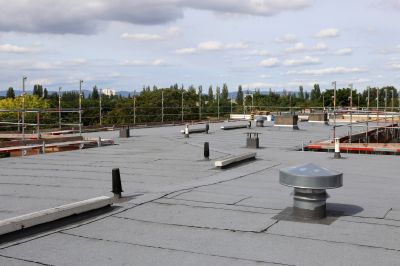
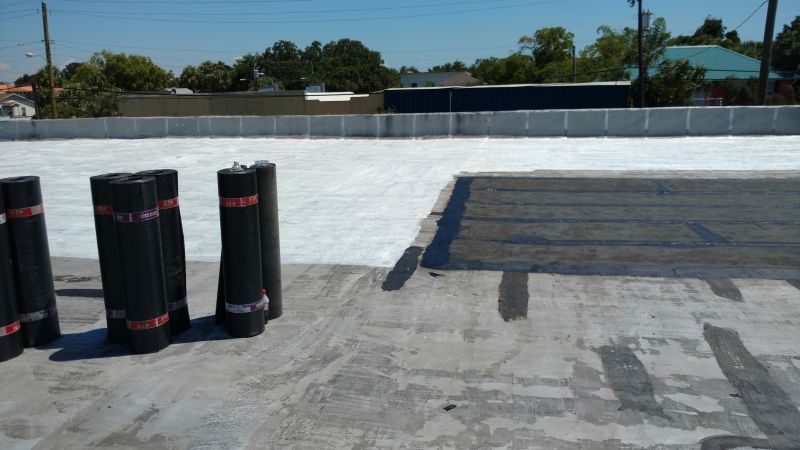
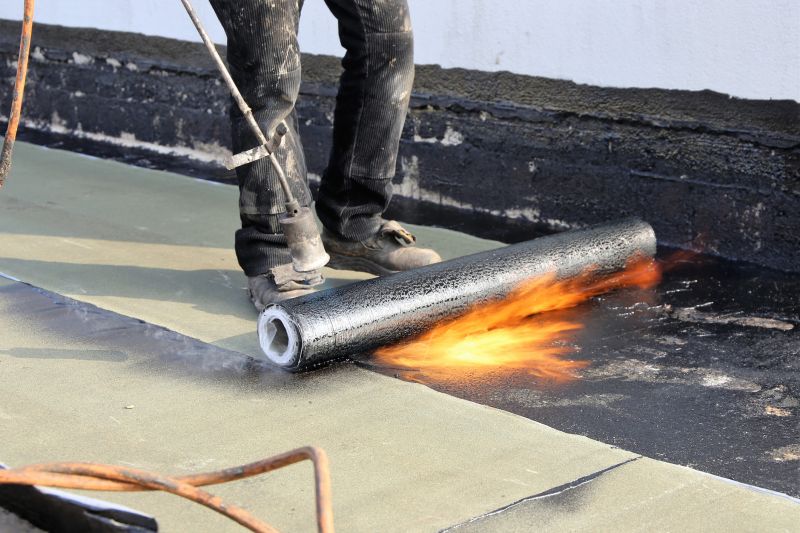
Roof sealing services involve applying specialized protective coatings or sealants to a property's roof surface. This process helps create a barrier that prevents water infiltration, reduces leaks, and shields the roof from the damaging effects of moisture. Proper sealing can extend the lifespan of a roof by safeguarding it against weather-related wear and tear, ensuring that the roof remains durable and functional over time. Service providers typically assess the condition of the existing roof before applying the sealant, making adjustments as needed to ensure a thorough and effective seal.
One of the primary problems roof sealing addresses is water intrusion, which can lead to costly damages inside the property, such as mold growth, wood rot, and interior staining. It also helps prevent issues caused by fluctuating temperatures, such as cracks and peeling that compromise the roof’s integrity. Homeowners experiencing recurring leaks, visible cracks, or areas where moisture seems to seep through may find roof sealing to be a practical solution. Regular sealing can also be part of ongoing maintenance to keep the roof in good shape and avoid the need for more extensive repairs later on.
Roof sealing is suitable for a variety of property types, including residential homes, multi-family buildings, and small commercial structures. Homes with aging roofs, areas prone to heavy rainfall, or properties located in regions with significant temperature changes often benefit from this service. It is especially useful for roofs that have experienced previous repairs, as sealing can help reinforce these areas and prevent future leaks. Whether a property has a flat roof, pitched roof, or another design, local contractors can tailor sealing solutions to meet specific needs and ensure optimal protection.
Homeowners who notice signs of roof deterioration, such as leaks, water stains on ceilings, or peeling paint, may want to consider roof sealing as a preventative or corrective measure. It can also be a wise step for those preparing their property for seasonal changes or after severe weather events. By working with experienced service providers, property owners can choose the right sealing products and techniques to suit their roof type and condition. Contacting local contractors for an assessment can help determine if roof sealing is a suitable option to protect and preserve the roof’s integrity.
The overview below groups typical Roof Sealing projects into broad ranges so you can see how smaller, mid-sized, and larger jobs often compare in your area.
In many markets, a large share of routine jobs stays in the lower and middle ranges, while only a smaller percentage of projects moves into the highest bands when the work is more complex or site conditions are harder than average.
Smaller Repairs - Typical costs for minor roof sealing jobs, such as fixing small leaks or sealing vents, generally fall between $250 and $600. Many routine repairs land in this middle range, with fewer projects reaching the higher end of the spectrum.
Medium-Sized Projects - Larger sealing tasks, like resealing an entire roof section or addressing multiple leaks, usually cost between $600 and $2,000. These projects are common for homeowners seeking comprehensive sealing solutions from local contractors.
Full Roof Sealing - Complete sealing of an entire roof surface can range from $2,000 to $5,000 or more, depending on size and complexity. Larger, more detailed projects tend to push into the higher tiers, but are less frequent than smaller repairs.
Full Replacement - In cases where sealing is part of a roof replacement, costs can exceed $5,000, with prices varying based on materials and roof size. Such extensive projects are less common and typically involve significant structural considerations.
Actual totals will depend on details like access to the work area, the scope of the project, and the materials selected, so use these as general starting points rather than exact figures.
Roof Repair Projects - these involve fixing damaged or deteriorated roofing materials, requiring similar sealing techniques to prevent leaks and ensure durability.
Gutter Sealing and Repair - involves sealing gutter joints and ensuring proper water flow, utilizing skills comparable to roof sealing for weatherproofing.
Flat Roof Coating - applying protective coatings to flat roofing surfaces, which shares methods and tools used in sealing pitched roofs for waterproofing.
Deck Waterproofing - involves sealing outdoor decks to prevent water infiltration, using similar planning and sealing methods as roof sealing projects.
Chimney Sealing - entails sealing gaps around chimneys to prevent leaks, requiring precise application similar to roof sealing techniques.
Attic Insulation and Vapor Barrier Installation - involves sealing gaps to improve energy efficiency, sharing planning and sealing skills with roof sealing services.
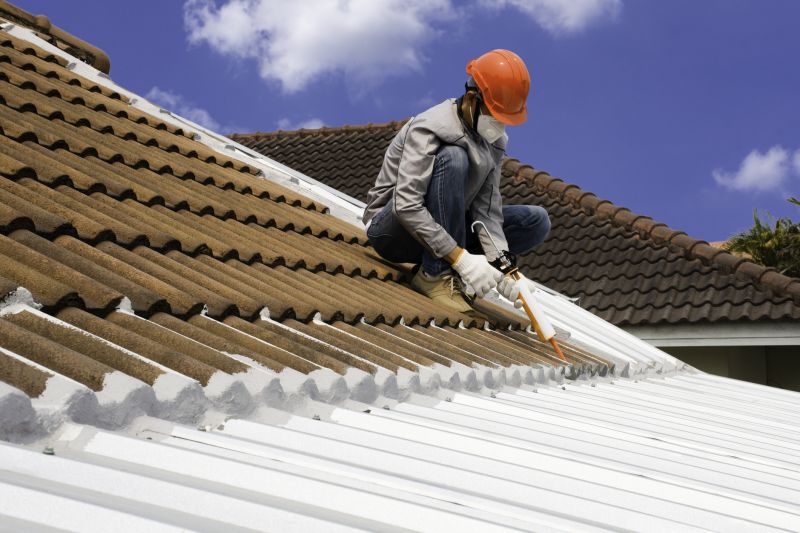
When evaluating contractors for roof sealing services, it’s important to consider their experience with similar projects. Homeowners should look for service providers who have a proven track record of handling roof sealing jobs comparable in scope and complexity. This experience can indicate familiarity with different roofing materials and common issues, helping to ensure that the work will be performed effectively and efficiently. Asking for examples of past projects or references related to roof sealing can provide insight into their expertise and reliability.
Clear, written expectations are essential to a successful project. Homeowners should seek service providers who can provide detailed descriptions of the scope of work, materials to be used, and any specific procedures involved. Having this information in writing helps prevent misunderstandings and ensures that everyone is aligned on the project’s goals. It’s also beneficial to clarify what the contractor will deliver and how they will handle potential issues, fostering transparency and trust from the outset.
Reputable references and good communication are key factors when choosing a local contractor. Homeowners should ask for references from previous clients to gain insights into the contractor’s professionalism, quality of work, and ability to meet deadlines. Additionally, effective communication-such as prompt responses to questions and clarity in explanations-can make the process smoother and more predictable. Connecting with service providers who demonstrate these qualities can lead to a more confident decision and a positive roofing experience.
Property owners use Roof Sealing services for practical projects around their homes and businesses. This guide focuses on everyday jobs and straightforward project options.
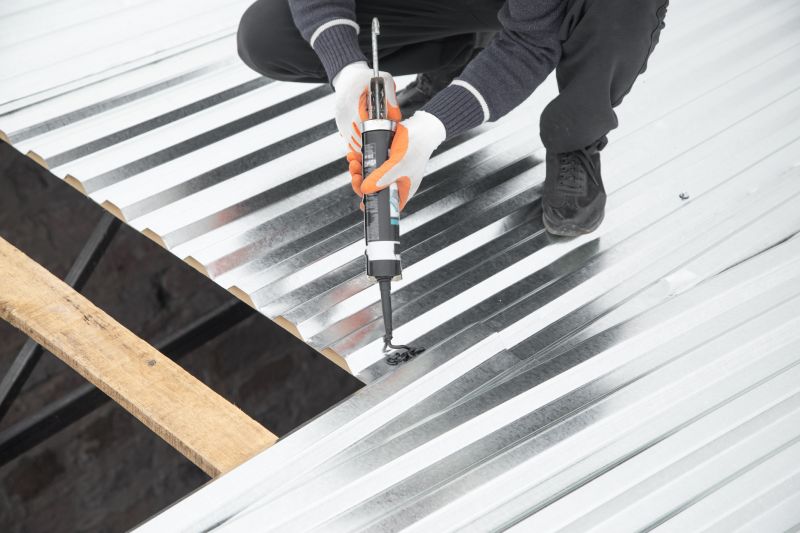
Roof sealing services are often sought after when property owners notice leaks or water stains appearing inside their buildings after heavy rain or snow. These issues can lead to concerns about property damage or mold growth, prompting owners to look for reliable local contractors who can provide effective sealing solutions. Additionally, those planning to upgrade or restore older roofs may consider sealing as a way to extend the lifespan of their roof and prevent future problems caused by weather exposure.
Many property owners also turn to local service providers for routine maintenance or preventive sealing to avoid costly repairs down the line. Whether preparing for seasonal changes or addressing minor cracks and gaps, homeowners and business owners find value in connecting with experienced contractors who can help protect their property from moisture intrusion and weather-related wear. These local pros can assess individual needs and recommend appropriate sealing solutions to keep roofs in good condition.
What is roof sealing? Roof sealing involves applying a protective coating to the roof surface to prevent leaks and improve durability.
How does roof sealing benefit my home? Proper roof sealing can help protect your home from water damage, reduce energy loss, and extend the lifespan of the roof.
What types of roofs can be sealed? Roof sealing services are available for various roof types, including asphalt shingles, metal, flat, and membrane roofs.
Are roof sealing services suitable for old roofs? Yes, local contractors can assess the condition of older roofs and determine if sealing is a beneficial option.
How do local service providers perform roof sealing? They typically clean the roof surface, repair any damage, and then apply a specialized sealant to ensure effective coverage and protection.
Prevent Water Damage - Applying roof sealant can help protect a property from leaks during heavy rain or snow.
Maintain Roof Integrity - Sealing small cracks and gaps can extend the lifespan of roofing materials through routine upkeep.
Improve Energy Efficiency - Proper roof sealing can reduce drafts and help maintain consistent indoor temperatures.
Prepare for Seasonal Changes - Sealing the roof before winter or storm seasons can provide added protection against harsh weather.
If you are thinking about Roof Sealing for a property, this guide is meant to help you understand the work, the typical project types, and how different options might fit your plans.
When you are ready, you can use the quote form on this page to share a few details about your project. From there, local pros can review the basics and respond with options that match what you have in mind.